Optimal Timing for Storm Remediations
Storm remediations are most effective when performed proactively before severe weather events occur. Timing depends on regional climate patterns and the specific characteristics of the property. Preparing in the off-season allows for thorough assessments and repairs, reducing the risk of damage during storms.
Implementing storm remediations before storm season minimizes damage and ensures structural resilience.
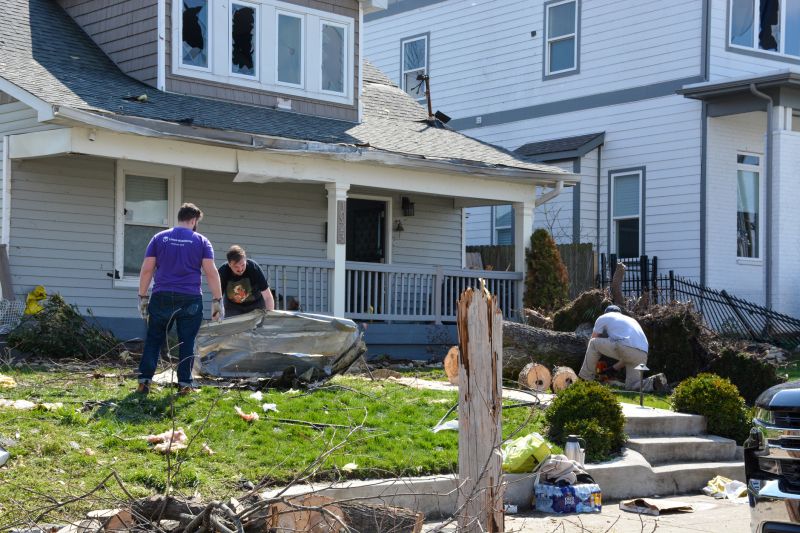
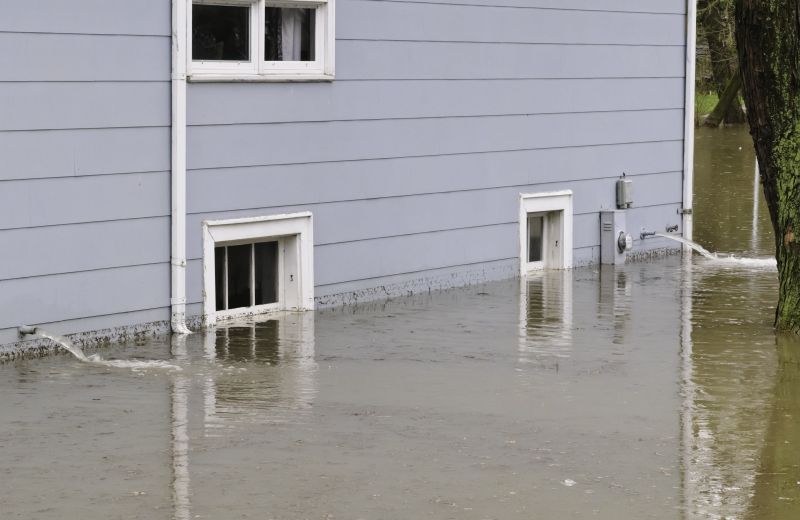
Assessing and repairing damage immediately after storms helps prevent further deterioration.
Conducting repairs during the off-season allows for comprehensive work without weather constraints.
Tracking regional weather forecasts helps identify optimal times for remediations.
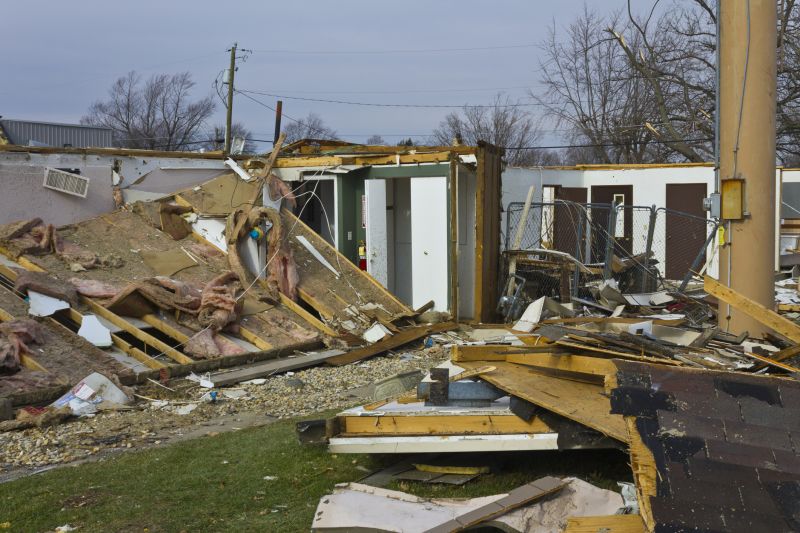
Visual inspection of property after storms.
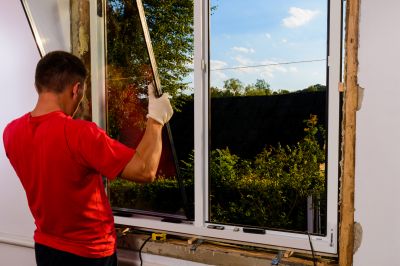
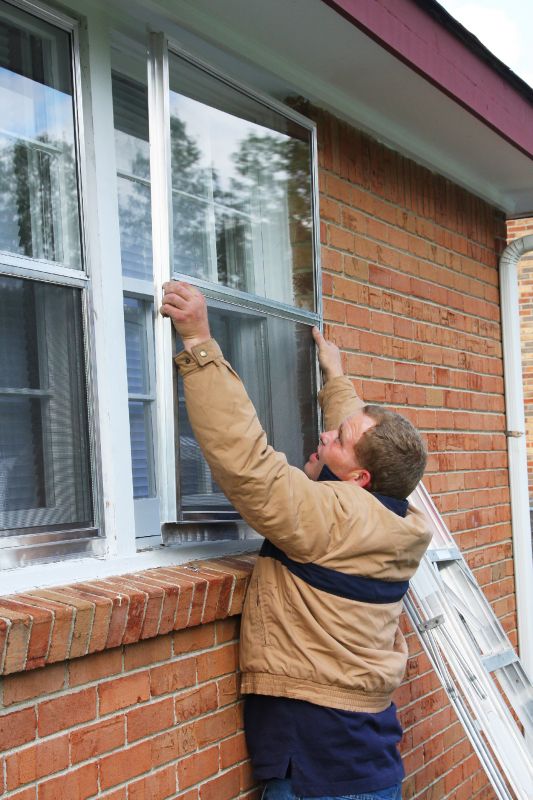
Installing protective barriers and reinforcements.
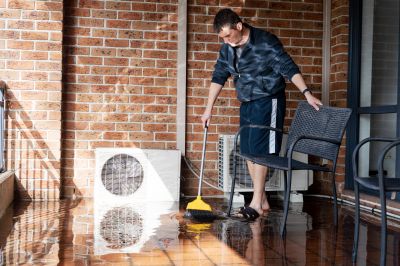
Scheduling repairs during calmer months.

Tools used to monitor storm patterns.
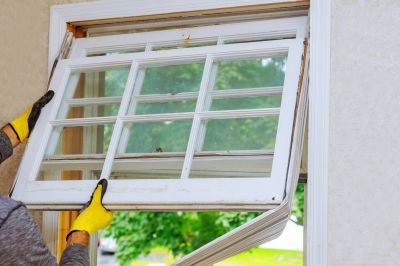
Ways to make Storm Remediations work in tight or awkward layouts.
Popular materials for Storm Remediations and why they hold up over time.
Simple add-ons that improve Storm Remediations without blowing the budget.
High-end options that actually feel worth it for Storm Remediations.
Storm remediations involve a range of strategies aimed at strengthening structures, protecting assets, and minimizing potential damage. Proper timing enhances the effectiveness of these efforts, ensuring properties are better prepared for severe weather events. Statistics indicate that proactive storm remediations can significantly reduce repair costs and property damage over time.
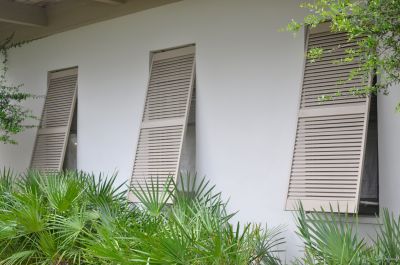
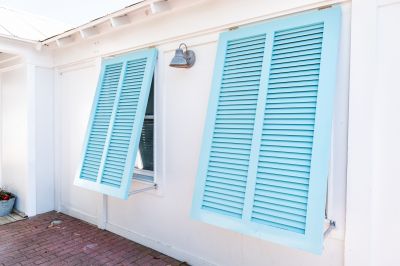
Adding storm shutters and reinforcement beams.
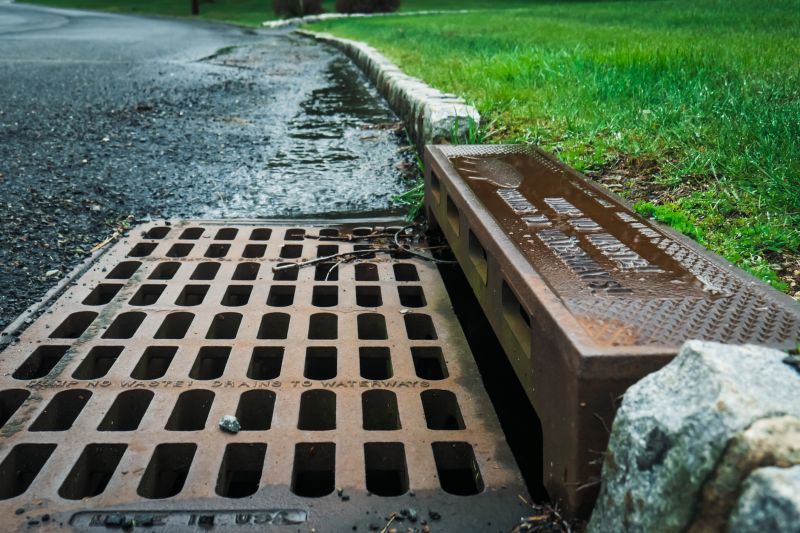
Enhancing drainage systems to prevent flooding.
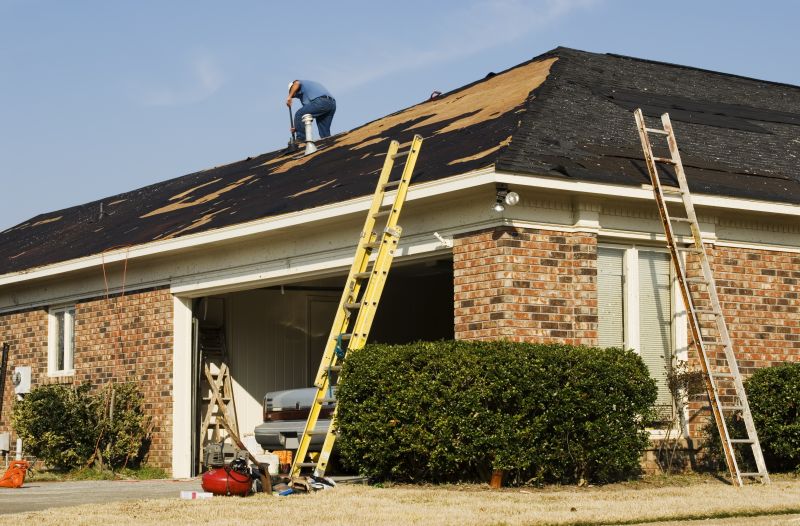
Securing and reinforcing roofing materials.
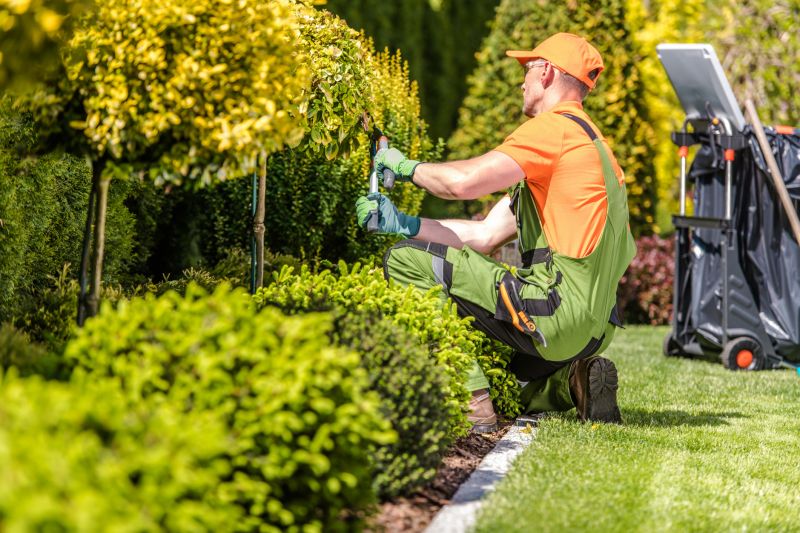
Protecting trees and landscaping from storm damage.

Finishes and colors that play nicely with Storm Remediations.
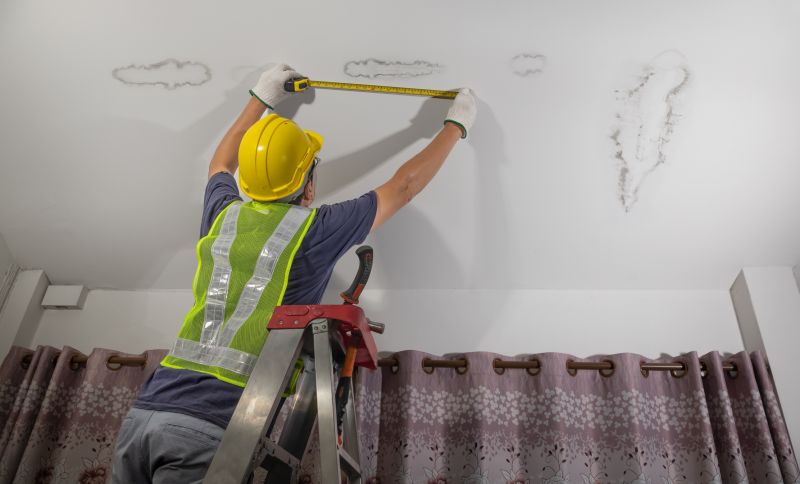
Little measurements that prevent headaches on Storm Remediations day.

A 60-second routine that keeps Storm Remediations looking new.

A frequent mistake in Storm Remediations and how to dodge it.
| Aspect | Best Timing |
|---|---|
| Pre-Storm Inspection | Before storm season begins |
| Post-Storm Repairs | Immediately after storm events |
| Off-Season Maintenance | During calmer months |
| Weather Monitoring | Throughout the year |
| Emergency Preparedness | Ongoing, as needed |
Effective storm remediations require careful planning and timing. By addressing vulnerabilities proactively, property owners can reduce the risk of extensive damage and costly repairs. Regular assessments and maintenance aligned with weather patterns are key components of a comprehensive storm preparedness strategy.
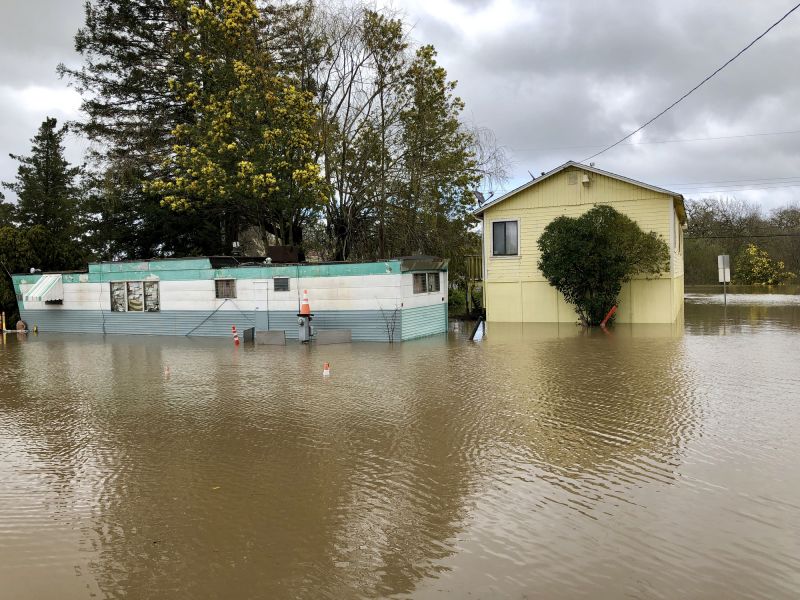
Developing a tailored storm remediation plan.

Strengthening vulnerable areas.
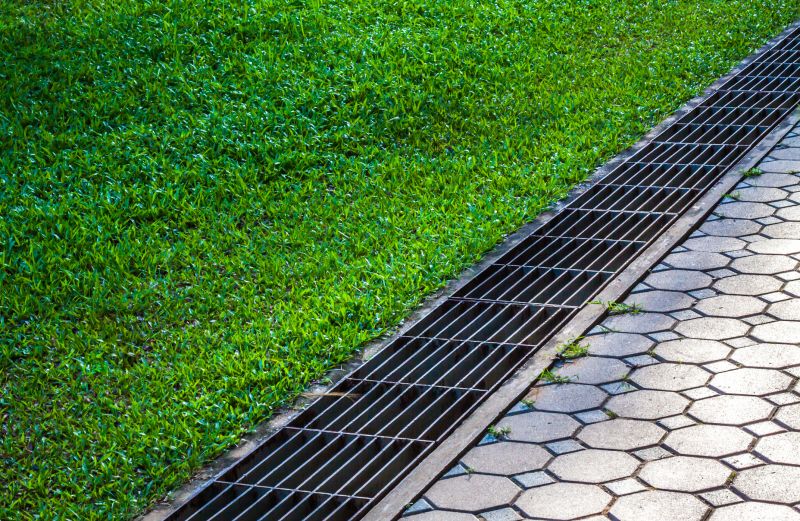
Preventing water accumulation.

Tools and supplies for storm events.
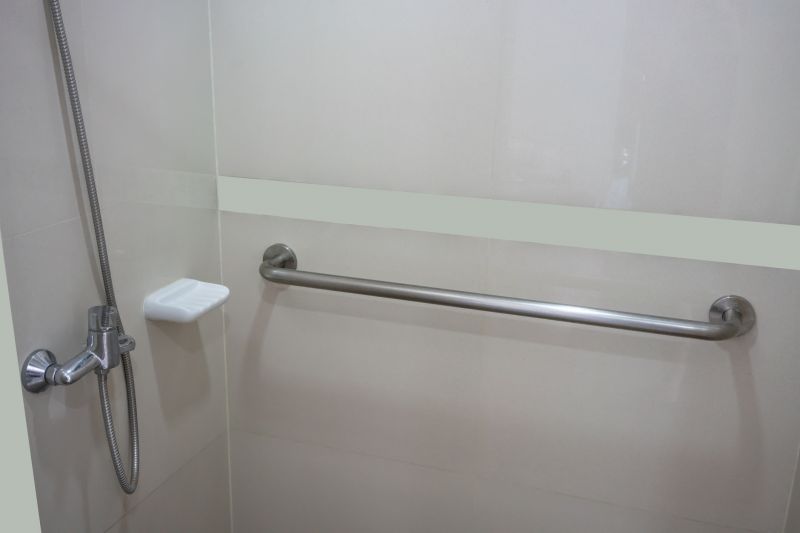
Small tweaks to make Storm Remediations safer and easier to use.
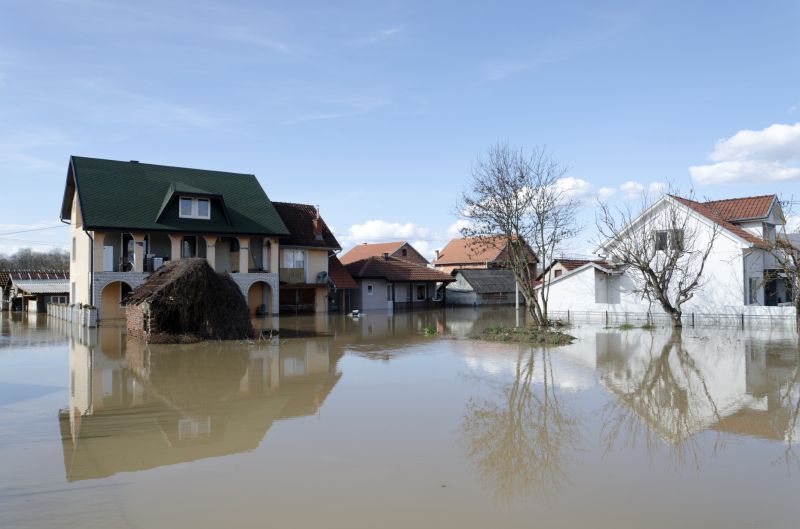
Lower-waste or water-saving choices for Storm Remediations.

The short, realistic tool list for quality Storm Remediations.
Rough timing from prep to clean-up for Storm Remediations.
Filling out a contact form can provide more information on storm remediations tailored to specific needs. Proper timing and preparation are essential for minimizing storm-related damage and ensuring property resilience.